
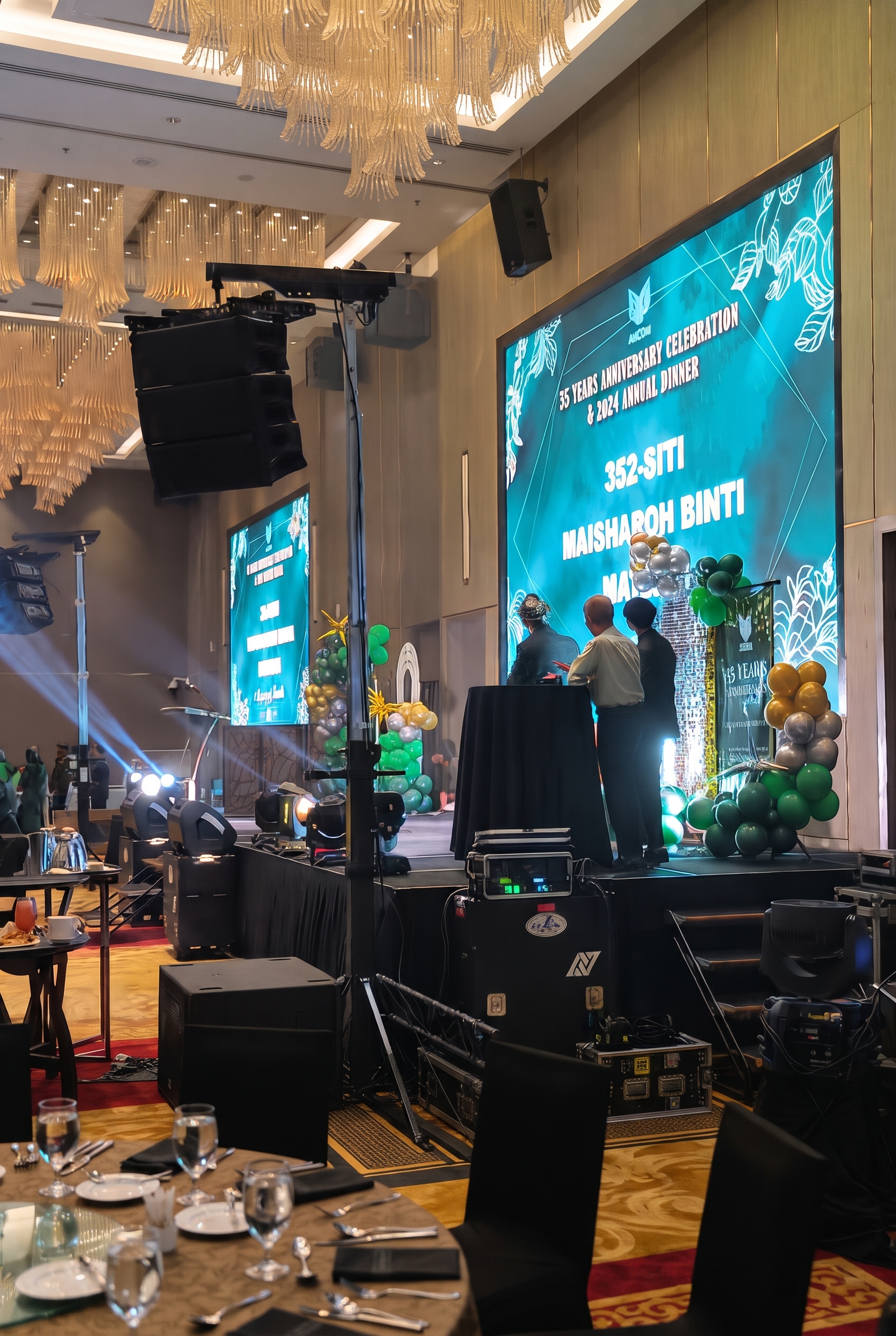
A lucky draw is often used at events to add excitement and generate interest. It gives attendees a chance to win prizes, which can encourage them to participate more actively or stay longer. It can also support brand awareness, since the event and prizes can generate publicity.
Running a professional lucky draw is mostly about preparation. Here is a practical checklist.
1. Decide what the draw is for
Be clear about the purpose: rewarding attendance, encouraging on-time payment, a dealer incentive, or simply entertainment. The purpose shapes the prize structure and how entries are collected.
2. Prepare your dataset early
Your draw list is the foundation. Decide how entries are collected, how they are cleaned, and who signs off on the final list. Last-minute changes to a guest list are common — plan for how you will handle them.
3. Choose the right draw method
Decide between a digital draw and a manual one. A digital draw gives you a professional on-screen presentation and a clear results record. See our comparison of online vs offline lucky draw software.
4. Plan the on-stage moment
The draw is a moment of theatre. Decide who triggers it — often a VIP or presenter. A physical trigger such as the wireless Big Red Button can make the moment more engaging than a keyboard or mouse.
5. Rehearse
Run through the draw before the event. Brief the MC and the person triggering the draw. Confirm the display, the prize order and what happens after each winner is drawn.
6. Keep a clear record of results
Make sure winners are recorded and can be exported. This matters for prize fulfilment and for any post-event reporting.
7. Have a fallback
Consider what happens if the internet drops or a device fails. An offline option or a prepared backup can save the moment.
Choosing software
If you want to own a commercial solution you can reuse across events, see our Commercial Digital Lucky Draw Software. For a one-off, budget-friendly draw, the Simple Online Lucky Draw or Simple Offline Lucky Draw may be enough.